


Why delivery disruptions are inevitable in fleet operations
Many delivery plans are built on assumptions. Some are more predictable than others, such as capacity, driver shifts, delivery windows, and expected service times. However, traffic, weather, and breakdowns are much harder to predict. For delivery teams, common disruptions include:
- Traffic congestion or road closures
- Depot loading delays
- Late vehicle departures
- Driver sickness, absence, or shift changes
- Vehicle breakdowns or maintenance issues
- Failed first delivery attempts
- Customer unavailability
- Last-minute order changes
- Urgent or high-priority deliveriesz
- EV charging, range, or infrastructure constraints
- Weather-related delays
- Capacity or load balancing issues
In a high-volume operation, the issues quickly add up, even if a single disruption doesn't seem significant on its own. The more stops, vehicles, constraints, and customer commitments involved, the more each change affects the rest of the plan.
Because of the changeable nature of deliveries, route planning cannot be treated as a one-time task. As we explored in our guide to route optimization software for fleet operations, modern routing depends on constraint-based planning, real-time adjustments, and measurable outcomes.
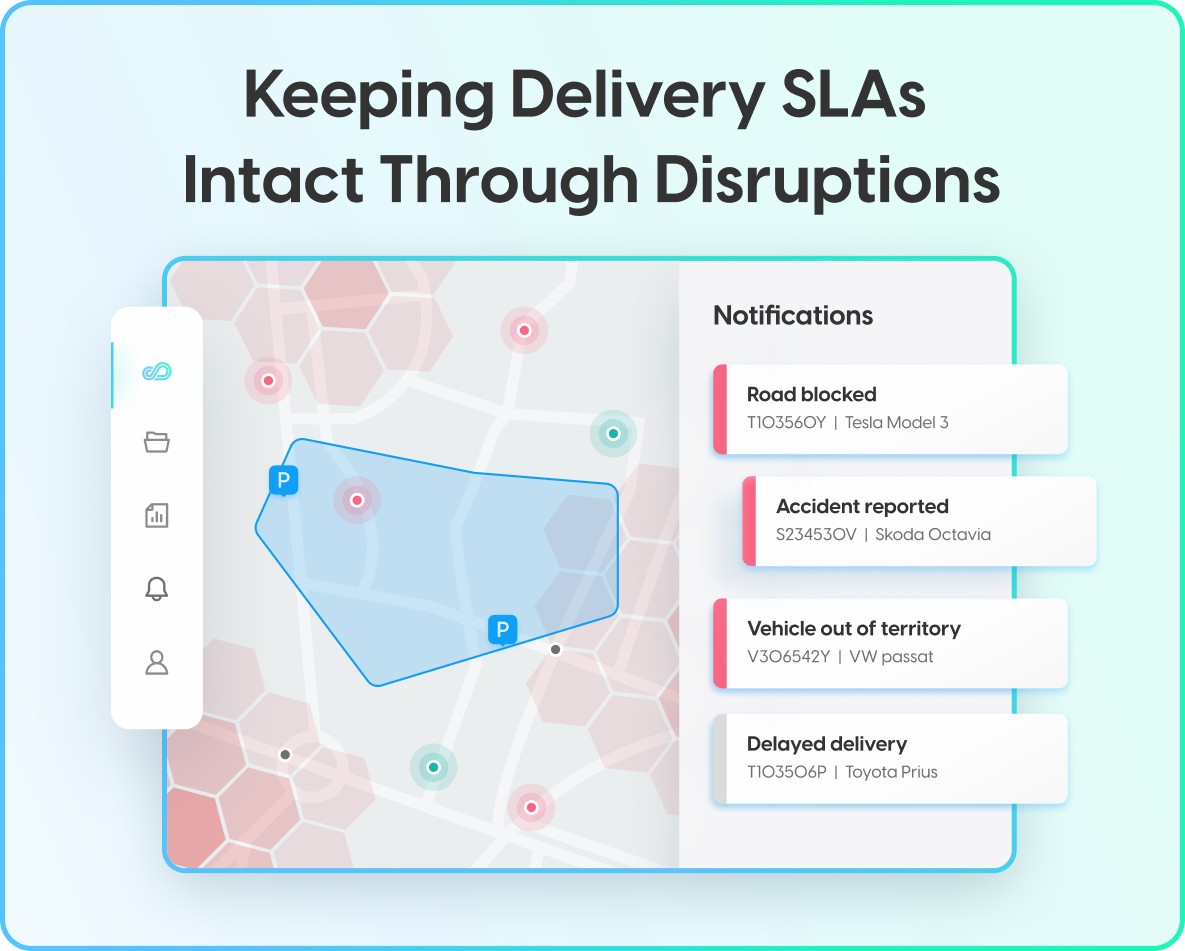
The types of disruptions that most commonly impact SLA performance
To understand where SLA risks comes from, it helps to group disruptions by the type of operational pressure they create.
Timing disruptions
These affect when delivery can realistically be completed. A five-minute delay at one stop may not matter, but a five-minute delay repeated across 40 stops becomes a serious SLA issue. Without real-time adjustment, small delays accumulate until the route is no longer recoverable.
Examples include traffic, late departures, and unexpected wait times at customer locations.
Capacity disruptions
This affects whether the fleet has the right vehicles, drivers, and available hours to complete the plan. If a vehicle is removed from service mid-shift, the issue can affect all routes as other vehicles need to pick up the slack. The system needs to decide how remaining jobs should be reassigned, which deliveries are most time-sensitive, and whether any commitments are at risk.
Examples include driver absence, vehicle breakdowns, or incorrect vehicle allocation.
Demand disruptions
This is where static planning becomes a bottleneck. If dispatchers need to manually rebuild routes every time demand changes, the operation becomes less efficient and may even grind to a halt. Recovery is heavily dependent on individual experience.
Examples include customers cancelling orders, changing delivery windows, adding urgent jobs, or requesting different service levels.
Execution disruptions
These disruptions happen at the point of delivery. As soon as one delivery fails, it can easily snowball and affect subsequent stops. These issues need to be surfaced quickly, but visibility alone is not enough. The operation also needs a way to adjust the remaining route, update ETAs, and protect delivery commitments.
Examples include a driver arriving to find no access, no customer, no safe unloading point, or no available proof-of-delivery process.
Constraint disruptions
Modern delivery companies already operate with a wide range of constraints, including specific delivery requirements. For multi-modal fleets, electric vehicle charging adds another layer of complexity. EV route planning must take into account range, charging time, charger location, and the wider plan to be effective.
Other examples of constraints that may cause disruptions include time windows, driver hours, vehicle type, delivery priority, specific driver training, restricted zones, and customer-specific requirements
How route optimization software responds to disruptions in real time
Your route optimization platform should help your teams decide what to do next. It helps them respond by:
- Recalculating ETAs based on live route progress
- Re-sequencing remaining stops
- Re-assigning jobs to available drivers or vehicles
- Prioritizing urgent, high-value, or time-sensitive deliveries
- Flagging stops that are at risk of missing their SLAs
- Inserting new orders into active routes
- Adjusting plans around traffic, cancellations, or failed deliveries
- Balancing workload across vehicles and drivers
- Reducing the need for manual replanning
This is where AI-powered dynamic route optimization becomes so valuable. When a route is no longer treated as a fixed element, the plan can respond as disruptions surface in the field. For dispatchers, this reduces the amount of manual intervention needed to keep the day moving.
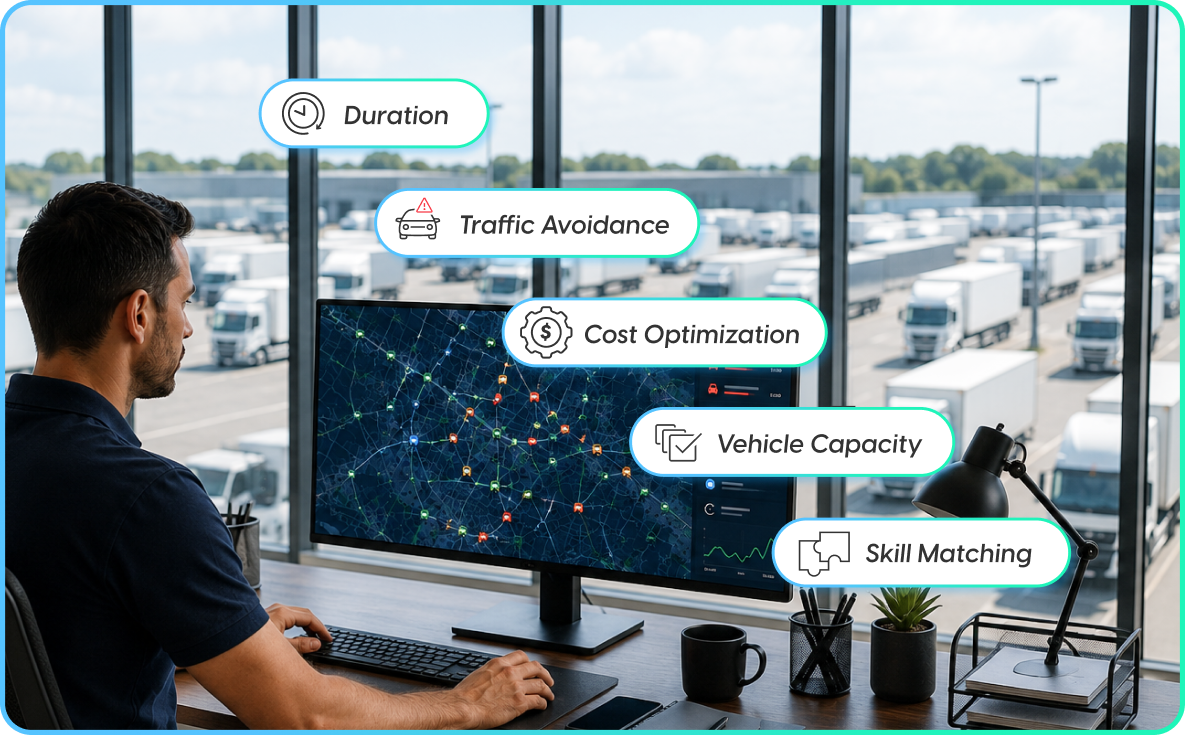
The role of predictive planning in preventing SLA failures
While real-time response is important, the best way to protect SLA performance is to reduce risk before the day begins. Proactive planning helps teams understand where disruptions are most likely to occur and build routes with this in mind.
Instead of relying on ideal conditions, teams predict issues and then, with reoptimization, work based on what happens in practice. The data feeding these predictions includes:
- Historical traffic and delay patterns
- Average service times by delivery type
- Failed delivery rates by area or customer segment
- Driver shift patterns and availability
- Depot loading times
- Seasonal peaks and demand spikes
- EV range, charging, and dwell time
- Recurring bottlenecks across routes or regions
For example, if historical data shows that a particular delivery area regularly causes delays between 3pm and 5pm, the routing strategy can account for that before dispatch by making deliveries earlier. If certain stops consistently take longer than planned, service time assumptions can be adjusted.
Performance measurement is key to continuous improvement. It's not enough to know a delivery was late; teams must understand why the plan began to drift and which disruptions were the cause.
How real-time visibility helps teams recover faster from disruptions
Real-time visibility gives dispatchers a clearer view of what is happening across the fleet. This only creates value, however, if teams have a way to act on it.
Rather than a dashboard only showing that a delivery is late, the system should also help identify which stops are at risk from that disruption. A tool using AI specifically designed for fleets can then automatically run the appropriate workflow, such as sending notifications, finding a vehicle to absorb the work and predicting the impact on the rest of the plan.
Real-time visibility helps teams recover faster by showing:
- Which routes are running ahead or behind
- Which deliveries are at risk of breaching SLA
- Whether ETAs are still realistic
- Which exceptions need immediate attention
- How delays affect downstream stops
- Where capacity is available elsewhere in the fleet
Using an AI automation engine also means dispatchers won't need to monitor every route manually. Instead, the system will surface the exceptions that need action.
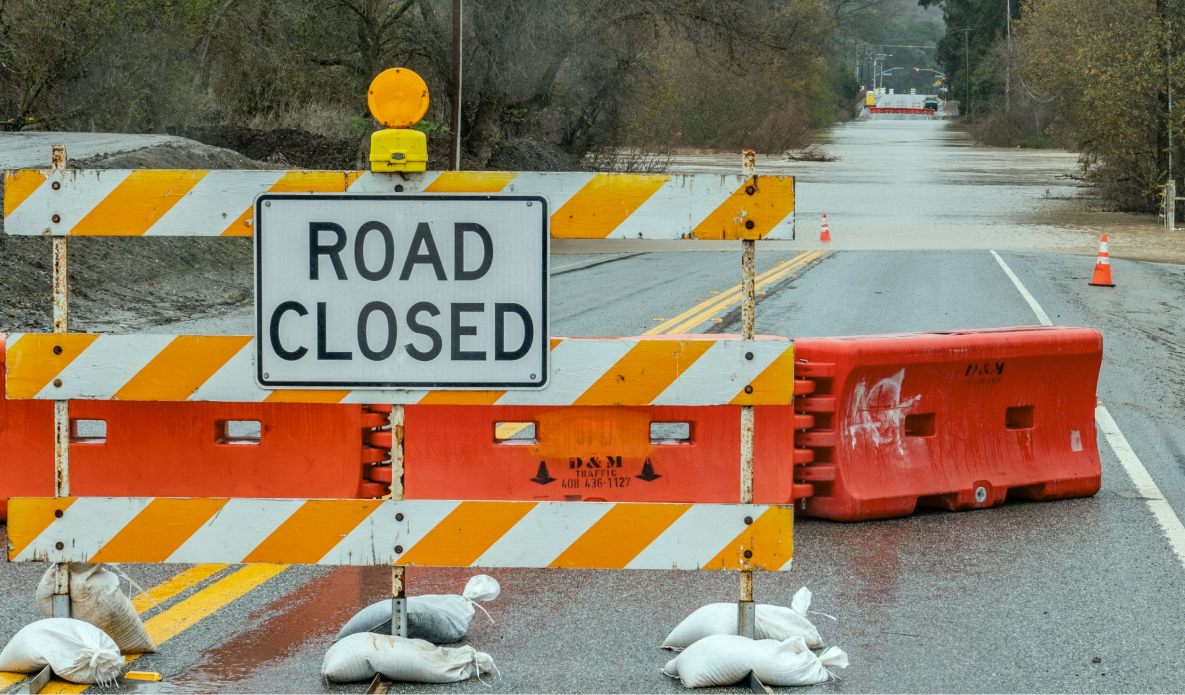
Measuring SLA performance and identifying areas for improvement
SLA performance should be continuously monitored throughout the day to avoid the plan slipping and affecting service levels. Ongoing monitoring ensures teams can see when a plan has drifted and what caused it.
Useful metrics include:
- On-time delivery rate
- SLA breach rate
- ETA accuracy
- Planned vs. actual route variance
- Cost per stop
- Stops per route
- Miles or kilometers driven
- Failed first delivery attempts
- Average service time by stop type
- Delay reasons by route, depot, or region
- Manual intervention rate
- Re-optimization frequency
- Driver utilization
- Vehicle utilization
From this information, it's possible to identify patterns, such as which routes are consistently late or whether delivery windows are too tight. When teams use KPIs to understand SLA risk, they can adjust constraints, planning rules, driver assignments, customer communication, and routing strategies.
What to look for in route optimization software
For delivery teams under SLA pressure, route optimization software needs to support both planning and execution. A tool that creates efficient routes but cannot respond to real-time disruption will only solve part of the problem.
Key capabilities to look for include:
- Constraint-based route planning
- Live ETA recalculation
- Dynamic route optimization
- Exception alerts
- Driver and vehicle tracking
- Delivery priority management
- Capacity-aware assignment
- Integration with order, dispatch, telematics, and customer communication systems
- Reporting on SLA and routing performance
- Scenario planning and simulation
- Support for mixed fleets, multi-depot operations, and EV routing where needed
Route optimization software helps fleets move beyond static planning and manual intervention. It gives teams a better way to build realistic plans, adjust routes as conditions change, and measure where performance can improve.
To find out more about Autofleet and how it can help mitigate the impact of disruptions, book a demo.


Table of сontents
V4new%252026.11.jpeg)


