


Fleet operations have become more complex and less forgiving. Customers expect on-time arrival, real-time visibility, and consistent service even when traffic, weather, and staffing change daily. Meanwhile, fuel prices fluctuate, driver availability is constrained, and many fleets are handling more stops per route with stricter compliance and safety requirements.
That’s where route optimization software becomes mission-critical. Instead of dispatchers manually building routes (or relying on static route planning), modern platforms automatically create optimized plans based on constraints like vehicle capacity, driver shifts, delivery time windows, service times, and priority stops. More advanced solutions also support real-time route optimization, adjusting routes when cancellations, traffic incidents, or urgent orders occur.
For operations teams, the payoff is straightforward:
- More rides and deliveries completed
- Fewer miles and less idle time
- Higher route density (more stops per route)
- More reliable ETAs and improved customer experience
- Better utilization of vehicles, drivers, and depot resources
In short, route optimization software isn’t about “shortest path.” It’s a competitive advantage in cost control, reliability, and scalability.

Key Features That Define High-Performing Route Optimization Software
Not all route planning software is built for actual working fleet conditions. The most effective tools typically combine algorithmic optimization with operational flexibility, AI-powered automations, and an awareness of the current state of each vehicle and driver. Here are the key features that differentiate high-performing platforms:
1) Constraint-based optimization (the non-negotiable)
A strong route optimization engine must handle customizable real-world constraints that reflect the operational reality of each fleet. These include:
- Time windows (hard/soft)
- Vehicle capacity (weight/volume/temperature zones)
- Driver shift limits and breaks
- Skill-based assignments (special handling or training, certifications)
- Stop service times and customer-specific rules
2) Real-time routing and dynamic dispatch
Traffic and cancellations are normal. The plan you make shouldn’t be set in stone, and allowing real-time or ASAP requests shouldn’t require a separate system. Look for platforms that support:
- Continuous replanning during the day - not just for the weekly plan
- Live ETA recalculation
- Exception handling (late stop alerts, missed windows)
- Re-optimization when new jobs are inserted
3) Multi-depot, multi-day, and recurring route planning
Effective operational flexibility requires a broad view of your operations, not just a tactical view of one or two routes. Advanced route optimization supports:
- Multiple depots or hubs
- Multi-day routing plans
- Recurring fixed routes alongside dynamic ones
4) Integrations with fleet systems
Route optimization is most valuable when connected to your workflow:
- TMS/ERP/WMS (orders, inventory, SLA data)
- Telematics (vehicle location, driving hours)
- Dispatch and driver apps (task execution, proof of delivery)
- Customer comms (tracking links, SMS notifications)
5) Visibility, analytics, and measurable KPIs
As the cliche goes, you cannot manage what you cannot measure. A routing tool should help you prove improvement, track issues, and make administrative and compliance tasks easy to complete. Key metrics include:
- Real-time reporting on location and task execution
- Custom KPI reports, including Cost per stop/cost per mile, ETA’s, OTP/OTD, utilization, FADR, and any other metric you need.
- Planned vs. actual route variance
- ESG and other compliance reports
1. Autofleet
Best For: Enterprises and high-complexity fleets that need advanced routing across regions, constraints, operations, and real-time conditions. Offers fleet customizations and scale support
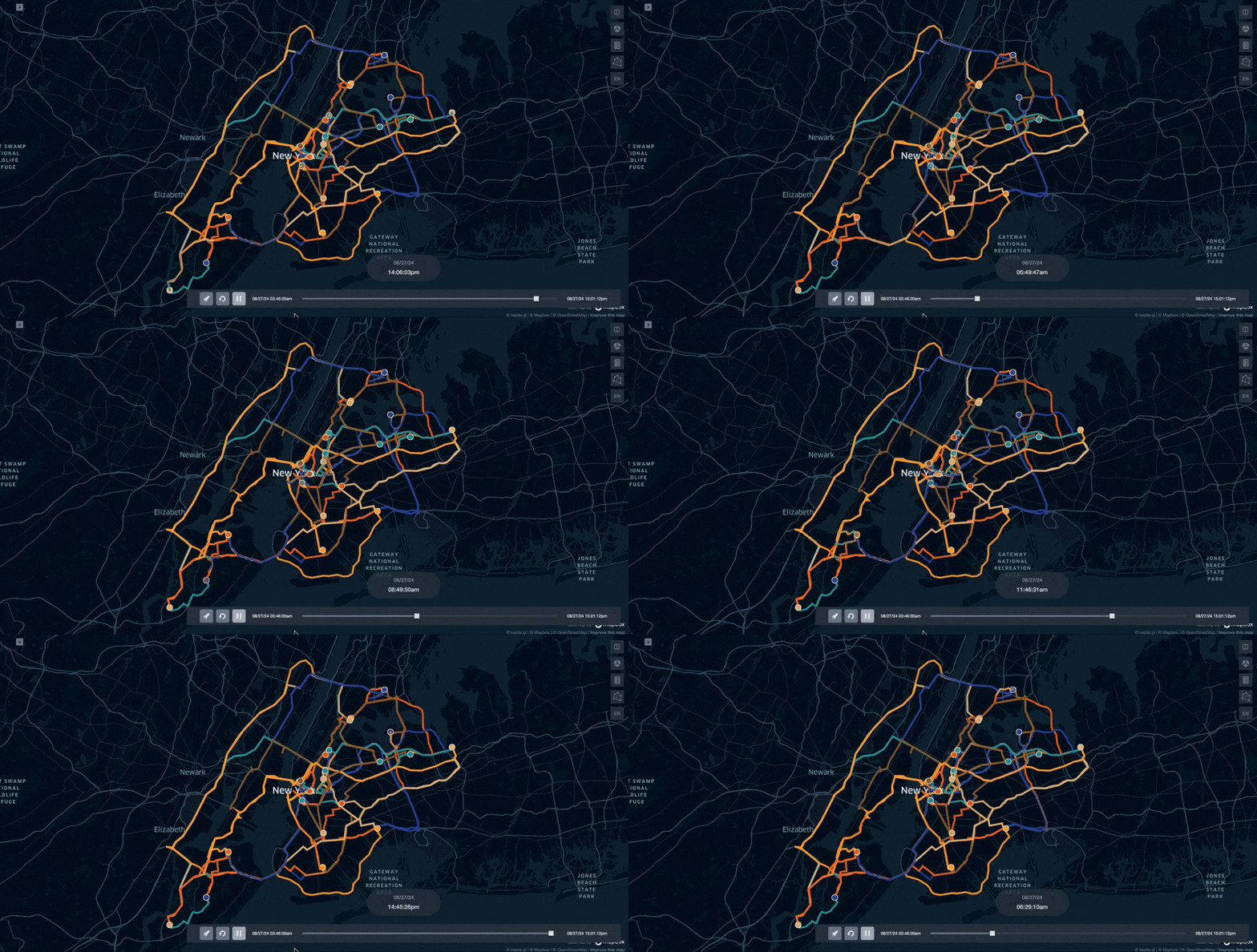
Autofleet is built for modern fleet operations where routing decisions can’t be static, and where highly complex routes that encompass millions of stop points per day are required. Instead of treating route planning as a one-time morning task, Autofleet supports continuous, real-world optimization, helping fleets respond to traffic, cancellations, delays, and shifting demand while maintaining service levels.
Key capabilities for complex or enterprise-grade route optimization include:
- Advanced constraint handling (time windows, capacity, shifts, service times)
- Real-time reoptimization and replanning as conditions change
- Integration-ready workflows for fleet systems and operational data sources
- Analytics that connect routing decisions to outcomes (cost, on-time performance, utilization)
- Planning across the entire operations, with planning for multiple days across multiple hubs and depots, thousands of drivers, and millions of stop points.
- Support EV routing strategy
For fleets operating at scale, or those with mixed vehicle types, multi-depot planning, or high SLA pressure, Autofleet is the most powerful route optimization software option.
2. Google Maps Platform (Routes API)
Best for: Engineering-led teams that want to build custom routing workflows inside their own systems.
Google Maps Platform isn’t a full “fleet dispatcher” product by default; it’s an infrastructure layer. It’s strong when you want routing embedded into your TMS/dispatch app/customer portal, with access to high-quality mapping and traffic signals. It’s especially useful if your organization prefers to own the user experience and business logic rather than adopt a standalone routing UI.
It does offer:
- Strong maps and traffic foundation for ETA and routing logic
- API flexibility for custom constraints and workflows (built by your team)
- Best fit when you have engineering resources to operationalize routing end-to-end
The tradeoff: you will need to build surrounding capabilities (dispatch UI, exceptions, analytics, driver workflows)
3. Samsara
Best for: Telematics-first fleets that want routing support connected to safety, compliance, and day-to-day operations.
Samsara is widely adopted as an operations visibility platform that tracks vehicles, drivers, assets, and safety signals. Fleets often evaluate routing/optimization capabilities in the context of that broader operational layer: using real vehicle and driver data to improve planning, accountability, and execution.
In this context, it offers:
- Strong fleet visibility: location, utilization, driver behavior, safety events
- Operational workflows that can support dispatch and execution processes
- Useful when you want routing decisions connected to telematics and compliance context
Samara is often used as a part of a broader “connected operations” stack rather than a routing-focused solution.
4. Route4Me
Best for: Delivery and field service teams that need simple route planning and territory management.
Route4Me is commonly used for building multi-stop routes quickly and consistently, especially for recurring service areas and territory-based operations. It tends to appeal to teams that want to improve dispatcher productivity and reduce planning time without needing an enterprise-grade solution.
Some of its key benefits include:
- Rapid route creation for multi-stop days
- Territory planning to balance workloads and standardize coverage areas
- Helpful for recurring routes and repeat customers/stops
It is often chosen for usability and speed-to-value in day-to-day routing
5. OptimoRoute
Best for: Last-mile delivery teams that want a quick rollout and strong daily execution support.
OptimoRoute balances optimization capabilities with an approachable dispatcher experience. It’s typically used to plan efficient routes with practical constraints (like time windows) and support day-to-day delivery operations where planning and execution need to work together.
It is a good fit for small-to-mid operations, optimizing daily delivery performance.
6. Geotab
Best for: Fleets that prioritize telematics, compliance, and performance reporting, then add routing through an ecosystem.
Geotab is best known for telematics depth: vehicle tracking, diagnostics, driver behavior, and operational reporting. Many fleets standardize on Geotab for visibility and compliance, and then layer in routing/optimization via add-ons or partner tools, especially when they want routing tied closely to real-world fleet data. Key benefits include:
- Deep telematics and fleet performance reporting
- Strong for compliance-oriented and large fleets
- Large partner ecosystem to extend into routing/dispatch/optimization
- Routing connected to a broader telematics backbone
7. Via
Best for: Public transport operators running demand-responsive transit (DRT), microtransit, and paratransit services.
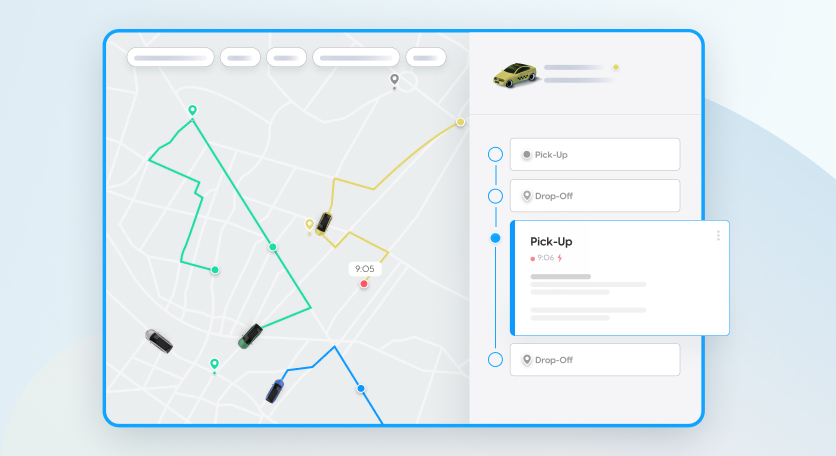
Via is most strongly associated with public transportation use cases where routing decisions revolve around passengers: matching riders to vehicles, pooling trips, and adapting service dynamically. It’s typically used by cities, transit agencies, and operators that need flexible service models that complement fixed routes and improve coverage and accessibility.
Via offers:
- Dynamic routing for shared passenger trips (pooling and on-demand service)
- Supports flexible transit models (microtransit/DRT/paratransit)
- Designed around service quality: wait times, reliability, accessibility, coverage
Generally speaking, Via offers a solid fit when “routing” is part of a broader transit operations experience
8. Descartes
Best for: Traditional logistics teams that mainly need batch route planning for established distribution workflows (and can tolerate heavier setup).
Descartes is often viewed as a more “classic” logistics-suite option for structured, planned distribution environments, but typically less oriented around real-time, day-of-operations decisioning.
How Route Optimization Software Impacts Cost, Efficiency, and Delivery Performance
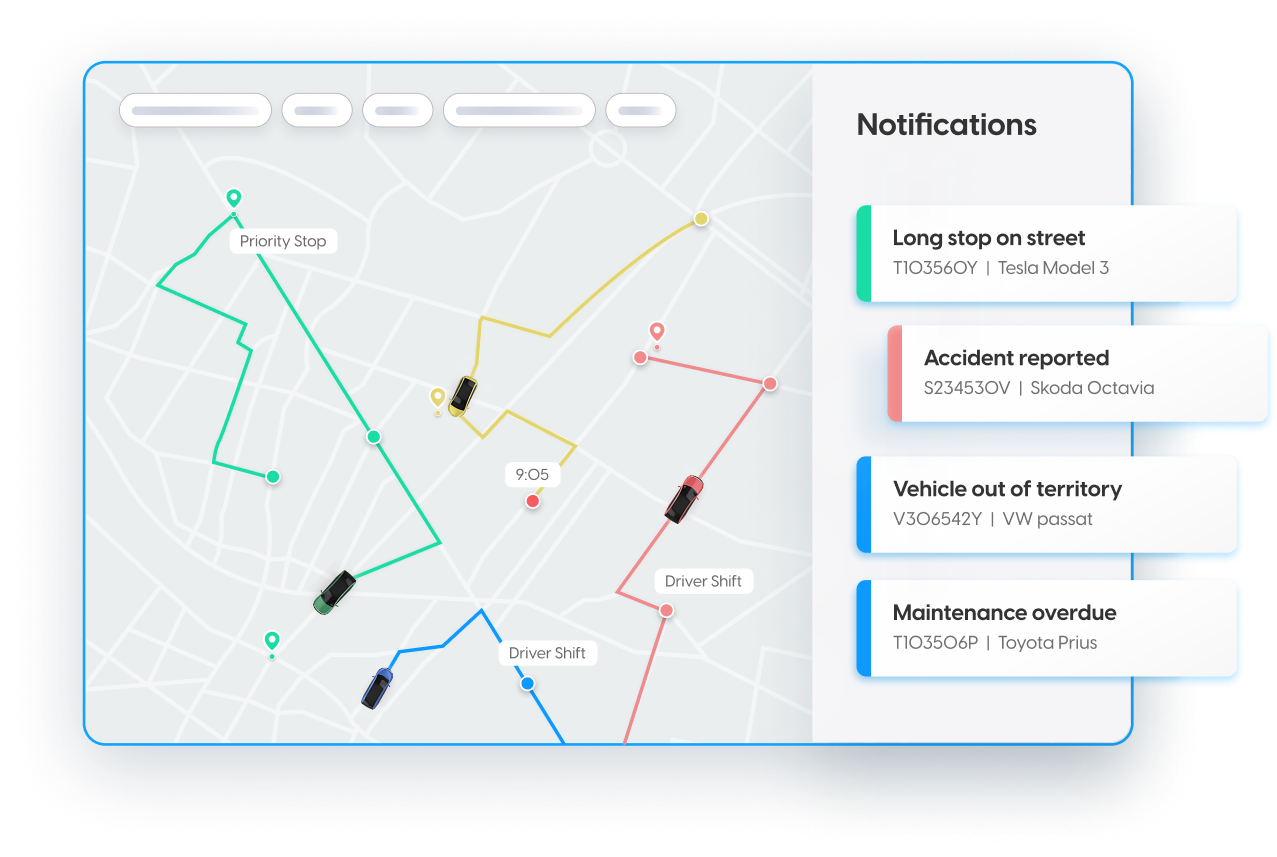
When implemented well, route optimization software improves performance in three measurable areas:
Cost reduction
Even small mileage reductions translate to meaningful savings at fleet scale. Optimization typically reduces: Total distance traveled, fuel and energy usage, vehicle wear and maintenance from unnecessary miles, and overtime driven by inefficient sequencing.
Operational efficiency
Optimized routing directly translates to efficiency gains and operational excellence with more stops completed per route/shift, better vehicle utilization, less dispatcher time spent manually rebuilding routes and faster planning cycles (minutes instead of hours).
Better performance and SLA reliability
Customer expectations are shaped by consumer-grade experiences. Route planning software improves these across the board, including: On-time performance, ETA accuracy (especially with real-time updates), Proactive exception management (late-stop alerts, reallocation), and fewer failures via better sequencing and planning
Over time, the best fleets treat routing as a continuous improvement loop: measure, adjust constraints, improve data quality, and optimize again.
How to Choose the Right Route Optimization Software for Your Fleet
The “best” route optimization software is the one that fits your operational reality. Use these decision criteria to narrow the field:
Match the software to your routing complexity
Ask:
- Do you have strict time windows or SLAs?
- Do you run multiple depots?
- Do you need skill-based assignments?
- Are you running a mixed fleet?
- Do you need real-time re-optimization during the day?
If yes, prioritize advanced constraint handling and dynamic routing (often an enterprise capability).
Consider scalability and performance
A tool that works for 20 vehicles may struggle at 500+, and a platform for a few hundred stop points is not suitable for larger operations. Make sure you get:
- Strong optimization performance at any scale
- Automation for bulk planning
- Operational controls (roles, auditing, exception workflows)
Evaluate integration requirements early
A route optimizaionsystem shouldn’t be a stand-alone solution. It should be integrated into your
- Order sources (TMS/ERP/WMS)
- Telematics
- Driver apps
- Customer notification and tracking
Choose a platform designed for enterprise connectivity the supports both APIs and webhooks
Focus on measurable outcomes
Take some time to define your KPIs and what you aim to achieve::
- Target mileage reduction
- On-time performance improvement
- Stops per hour/route/mile improvement
- Reduction in planning time
- ETA accuracy improvement
Then, validate that the tool can report on those metrics clearly.
Don’t overlook usability and change management
Even the best optimizer fails if dispatchers and drivers can’t use it, if they are poorly configured, or if you do not get adequate support. Make sure you are partnering with a vendor that can provide 24/7 support, has sound onboarding procedures, and is there for you when you need them.
Choosing the right route optimization platform can affect your entire operation. Make sure you take your time to select the right one.


Table of сontents
V4new%252026.11.jpeg)

