




AI for Fleets: How AI Maximizes Fleet Utilization for Rental and Car‑Sharing Operators

.png)
The operational environment is moving faster than most legacy workflows can keep up with: demand shifts quickly, SLAs are getting stricter, and even small delays can lead to lost bookings. Electrification adds further complexity, with state of charge, electricity costs, charger availability, and dwell times creating new reasons for vehicles to sit idle longer than necessary.
Fragmented tools and manual workflows only exacerbate these challenges. When teams are juggling separate systems for telematics, bookings, vendor coordination, and field operations, it becomes difficult to orchestrate tasks efficiently. To break out of this cycle, operators can use real-time visibility and automation of decisions that determine whether a vehicle stays available and ready to drive revenue.
Here’s how artificial intelligence (AI) can solve these problems for rental fleets, reduce downtime, and lower costs while increasing utilization.
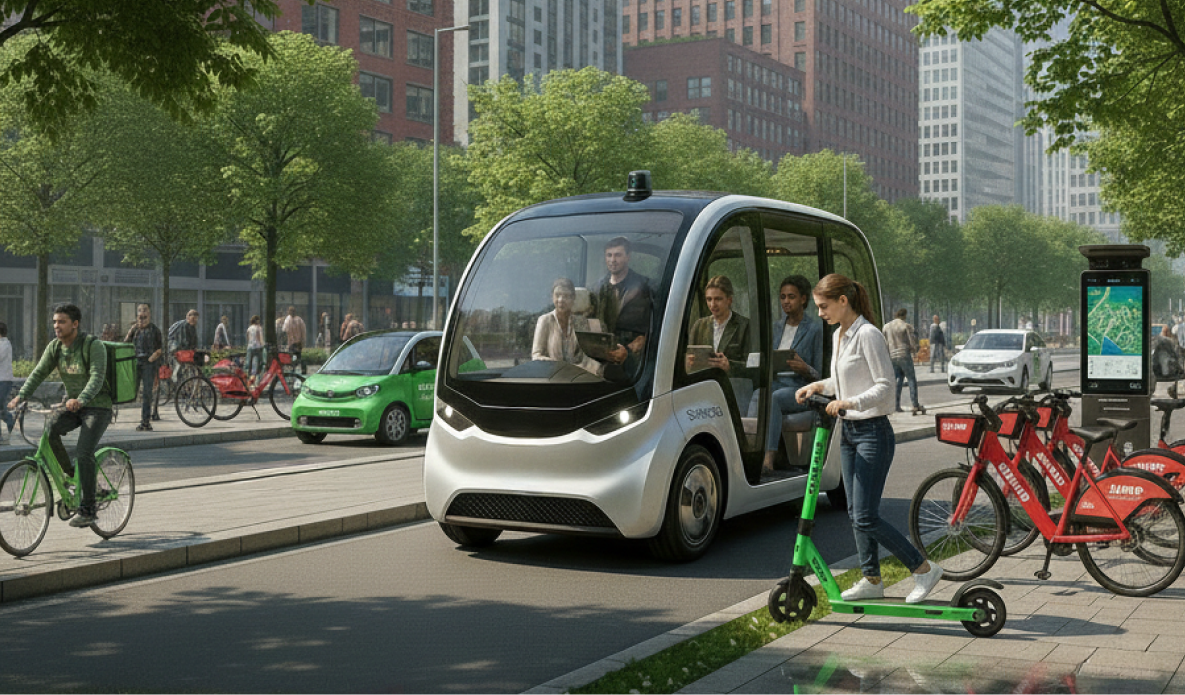
Use AI to automate rental and car-sharing fleet operations
One of the things AI excels at is detecting and responding to changes quickly and effectively. You can use an AI agent to trigger jobs based on changes in demand data, booking patterns, and telematics to ensure vehicles are prepared and positioned before demand spikes.
AI can also be used to detect patterns and predict demand. These predictions are then used to inform scheduling decisions for routine tasks, such as cleaning and maintenance, that minimize impact on vehicle availability during peak demand times.
With electric vehicles adding a layer of complexity, these tasks can also include the most efficient way to charge the vehicle based on state of charge, charger location, and future demand. AI-powered automations take everything into account to minimize downtime, which includes batching tasks so vehicles aren’t taken off duty unnecessarily.
Allow AI to manage vendor workflows for car share and rental
AI also offers powerful options for improving vendor management and oversight. On the one hand, instead of waiting for manual task assignment, AI can match the right vendor or field agent based on priority, location, skills, and SLAs, and dispatch the job, which speeds up turnaround times and reduces how long vehicles stay off the road. On the other hand, upon the job completion, the AI tool can automatically check if SLA’s were met, and flag managers on any infractions.
Human operators still maintain oversight through a single real-time dashboard showing status, task progress, and anomalies, improving SLA adherence and vendor performance tracking.
Let AI guide advanced operational strategies
Intelligent demand prediction can ensure the vehicles are in the right areas to maximize utilization. The system will calculate optimal rebalancing moves and automatically communicate them to field agents based on real-time information.
This also gives car-sharing operators a sense of where there’s lower demand. With the right information, fleet managers can use the AI to implement dynamic pricing and other incentives, such as loyalty points, to increase uplift in those areas, improving utilization KPIs.

Results of AI-powered rental and car sharing
Zipcar is a great example of what happens when a car-sharing operator replaces manual, reactive workflows with real-time AI-powered automations. After implementing Autofleet’s platform across key markets, Zipcar reported significantly more efficient day-to-day operations and a dramatic reduction in downtime.
As UK General Manager James Taylor put it, “Working with Autofleet has made operations much more efficient. It's helped us reduce our downtime, a key metric for car-sharing.”

The impact shows up directly in Zipcar’s and other car-sharing operations’ core KPIs:
- Higher availability during peak demand
- Fewer cancelled or unfulfilled bookings
- A smoother, more reliable customer experience.
For an operator built on short rental periods, tight SLAs, and rapid turnaround, these gains translate directly into revenue. Vehicles spend more time in service, members find cars when they expect them, and the ops team shifts away from reactive work.
As rental and car-sharing fleets grow more complex, the operators who win will be those who automate the thousands of small decisions that determine whether a vehicle is available, positioned correctly, and ready for the next trip. AI gives teams the ability to reduce downtime, increase utilization, and run a more predictable, revenue-generating operation without adding manual overhead.
If you want to see how AI-driven automation, demand prediction, and real-time visibility can transform your fleet, book a demo with Autofleet and explore what these workflows could deliver for your business.


Table of сontents
Frequently Asked Questions
Our Latest Insights



Stay up to date!

