
Every hour of vehicle downtime costs money, damages customer experience, reduces service availability, and hurts revenue. Some fleet downtime is unavoidable. Much of it is not.
Autofleet hosted a webinar titled “Reducing fleet downtime: Digital tools and strategies” with Angelo Adams, President of Zipcar, the world’s leading car-sharing network; Steven Jastrow, VP Strategic Advisory Services of Element Fleet Management; and myself.
In it, we discussed the challenges facing fleet managers working to limit downtime, and offered some practical tools for increasing vehicle availability and uptime. Here is a summary:
Why Managing Fleet Downtime Matters
Fleet management is an increasingly complex challenge, requiring businesses to balance vehicle availability, maintenance schedules, and operational costs. Whether managing a ride-hailing fleet, corporate vehicles, or logistics transport, downtime has a significant impact on efficiency and profitability. For shared mobility services such as carsharing companies, downtime can be especially significant. Every minute a car is off the road adds cost, loses revenue, and hurts customer experience.
Some fleet downtime is inevitable. But as Zipcar President Angelo Adams pointed out, “the financial and operational impact of downtime in our fleet is crucial to ensuring that we have profitability and member satisfaction”. Keeping vehicles on the road is crucial for meeting customer demand.
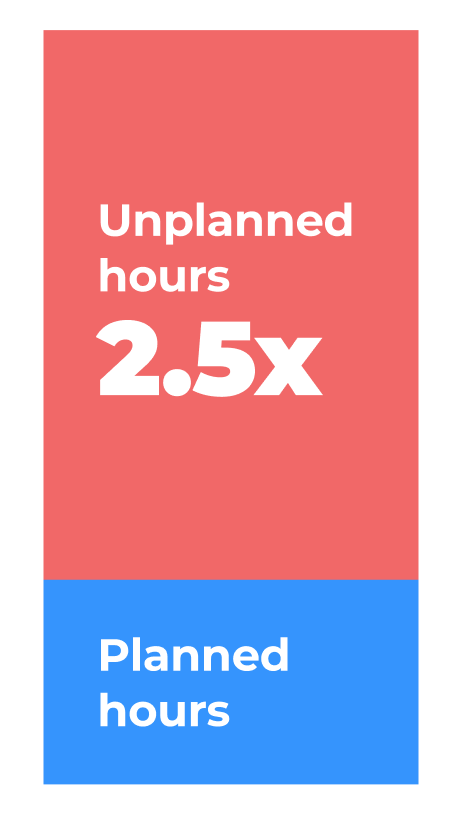
Common causes of downtime include maintenance, cleaning, accidents, and repairs. Fleet managers should plan and schedule these events as much as possible in order to minimize service disruptions and maximize vehicle utilization. Steven Jastrow shared that “we typically see 2.5 times more downtime on an unscheduled repair versus a scheduled repair”.
How To Optimize Fleet Operations?
One of the biggest advantages of a platform like Autofleet is the ability to automate and optimize the timing of downtime events, such as planned maintenance tasks. Using machine learning, AI, and automations, Autofleet allows fleet managers to automatically schedule maintenance based on both when the vehicle will be needed most and fleet policy concerning preventative maintenance.
This allows streamlined maintenance workflows with automated scheduling that does not disrupt operations by ensuring vehicles are serviced during off-peak hours.
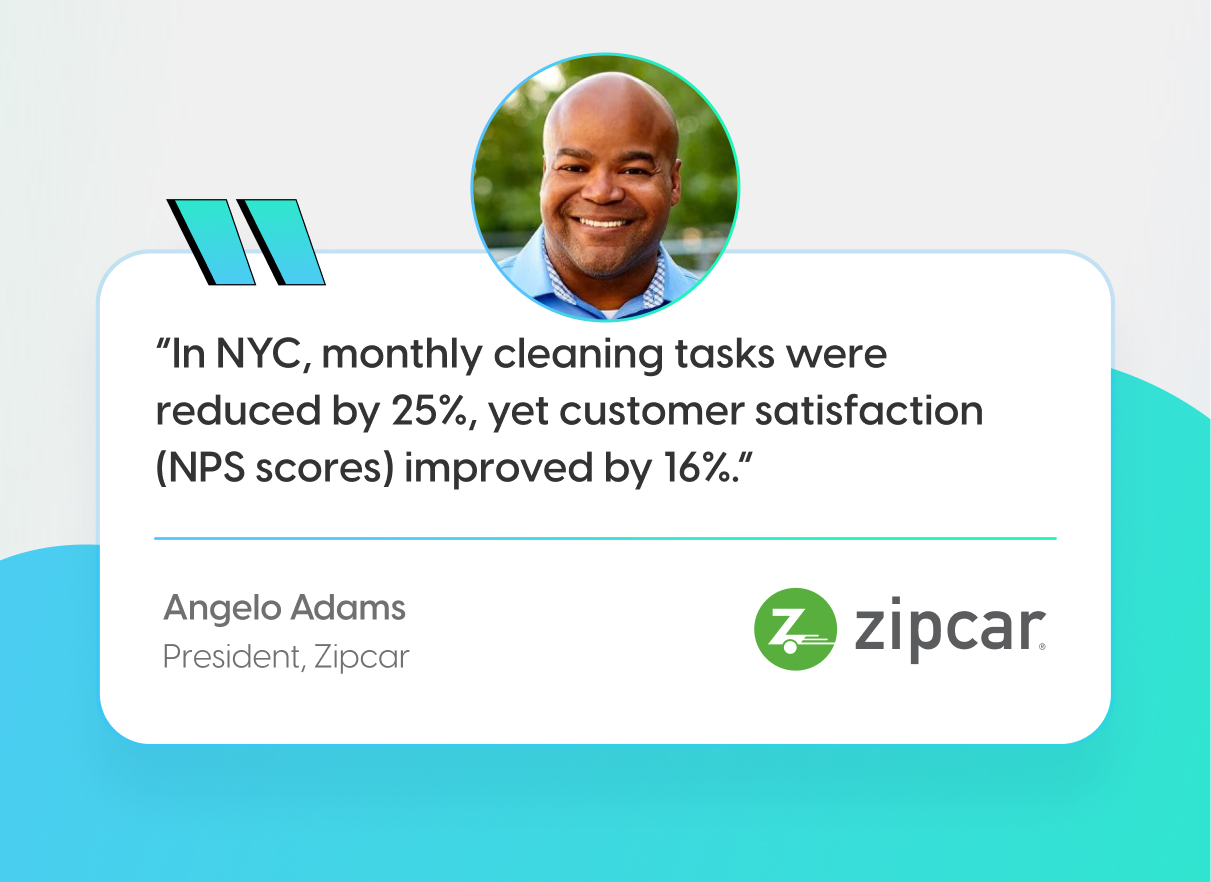
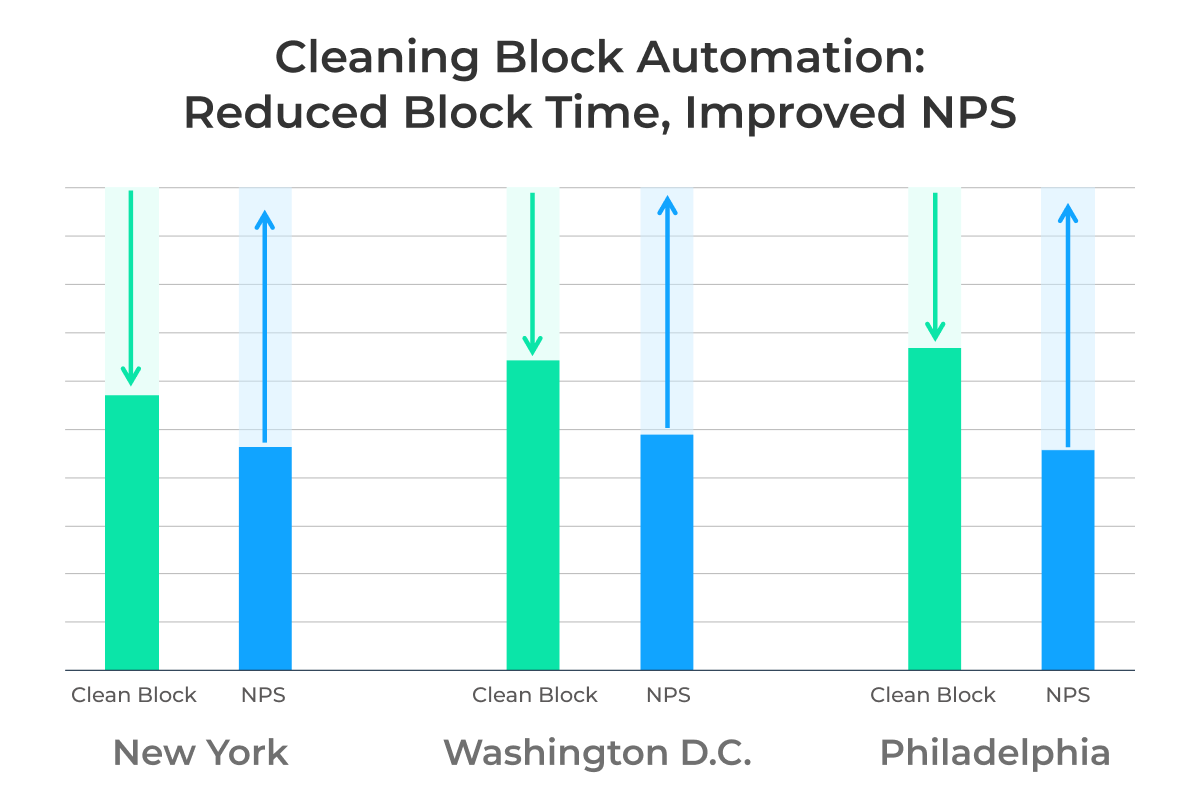
Vehicle cleanliness is now an essential part of fleet operations. Angelo Adams shared his experience with Autofleet’s automation engine, which Zipcar used to dynamically optimize cleaning schedules so vehicles are cleaned based on real-time usage rather than rigid, pre-set intervals. The results? In New York City, monthly cleaning tasks were reduced by 25%, yet customer satisfaction (NPS scores) improved by 16%.
Managing Downtime With an EV Fleet
Fleet management is evolving rapidly with AI-driven optimizations and the transition to electric vehicles (EVs). Since charging takes longer than fueling, smart charging strategies are needed to ensure EVs remain operational without unexpected downtime. The ability to predict and manage charging also reduces range anxiety and enhances fleet reliability.
Once optimized and streamlined, workflows are put in place to manage and minimize downtime, allowing even more advanced fleet policies to be implemented. Autofleet, for example, uses historical and real-time data to optimize where vehicles are allocated when they return from downtime based on demand patterns. This dynamic approach ensures that vehicles are stationed where they are needed most, reducing idle time and improving fleet utilization. As Adams emphasized, proper fleet positioning leads to improved revenue opportunities and a better customer experience.

Coordinating Vendors and Repair Shops
A vehicle can spend more time waiting than being repaired. It waits for a shop slot, an estimate, approval, parts, and then for someone to notice it is ready for pickup. Each handoff adds hours of vehicle downtime that no technician ever touches.
Tight repair capacity makes this worse. TechForce Foundation's 2026 workforce report found that across ten technician sectors, the U.S. produces 101,743 graduates a year against 241,842 openings, so supply meets barely 42% of demand. When shops are short-staffed, fleets that send vague requests or approve slowly drop down the queue.
Four practices close most of the gap:
- Pre-approved repair thresholds, so routine work under an agreed amount starts without a call back to the fleet manager.
- A shared view of each vehicle's status for the fleet and the shop, updated at every stage instead of chased by phone.
- Vendor scorecards that track turnaround time, repeat repairs, and estimate accuracy are reviewed every quarter.
- A pickup trigger that alerts the right team the moment a vehicle is marked ready, so it returns to service the same day.
Jastrow's 2.5x figure applies here too. Shop work booked in advance and placed around demand is far shorter than a breakdown dropped on a vendor with no warning.
Choosing Fleet Maintenance Software
Fleet maintenance software keeps service records, tracks intervals, and opens work orders. Those are the basics. The better question for 2026 is whether the software decides when a vehicle comes off the road, or only records that it did.
What to look for:
- Preventive maintenance scheduled around demand, using booking or dispatch data to pick the hours a vehicle is least likely to be needed.
- Automatic task creation from mileage, engine hours, diagnostic codes, and telematics alerts.
- One workflow for every downtime event, covering cleaning, charging, inspections, and relocations as well as repairs.
- Work orders, estimates, and status updates from outside shops recorded alongside internal tasks.
- Reporting that tracks downtime per vehicle next to fleet utilization, so a faster repair process shows up as more available hours.
How it connects to the wider fleet stack
Maintenance software that runs on its own becomes another silo. It needs to read from telematics, fuel and charging data, and the booking or dispatch system, and write back to them. When a vehicle is booked for service, dispatch should already treat it as unavailable, and a car sharing platform should stop offering it to members. Check the integration list before the feature list: working connectors to the tools you already run will save more time than any single feature.
Key Takeaways: The Competitive Advantage of Optimized Downtime Management
A data-driven fleet management strategy is no longer optional. It's a competitive necessity. Platforms like Autofleet help businesses:
- Reduce unplanned downtime through predictive maintenance.
- Improve vehicle utilization with dynamic fleet allocation.
- Streamline maintenance and cleaning with AI-driven scheduling.
- Enhance vendor coordination to minimize repair delays.
- Optimize EV performance.
With these capabilities, fleet operators can reduce costs, enhance customer satisfaction, and ensure a smoother, more efficient operation. Companies like Zipcar discovered that adopting this approach reduced effective downtime in Washington, D.C. by 71%.
In DC, we had 135 vehicles when we launched this systematic approach. We saw downtime reduced by about 71% over the course of that time.
Interested in learning more? Use this link to set a meeting and explore how Autofleet can transform your fleet management today.


Table of сontents